
There are many reasons neighbors seek food support from Food Bank of the Rockies. Job changes, unexpected medical bills, or the responsibility of caring for loved ones are just a few examples. But in recent months, we have been hearing from many neighbors how the rising cost of food and persistently high gas prices are pushing their already-stretched budgets to the breaking point. For many families, these pressures are creating impossible choices between paying bills, filling the tank, or putting food on the table.
At one of our recent Mobile Pantry distributions, Nakisha shared how quickly rising costs have been negatively impacting her, even with a carefully planned budget. A home healthcare worker and student working toward a career as a medical assistant, Nakisha is used to balancing responsibilities. But lately, it’s been harder to keep up.
“Just when you think that you’re getting a step up, sometimes you’re taking two steps down,” she says, after noticing gas prices climb yet again on her way to pick up food.
For Nakisha and her mother, the fresh produce and other foods she receives help provide stability. The food stretches for weeks and creates breathing room for her tight budget.

Diane expressed similar relief after visiting one of our recent Mobile Pantries. Living alone on Social Security, Diane has always been careful with her finances. But now her HOA fees have doubled on top of high food and gas costs.
“Every little bit helps when the food prices are outrageous,” she explains. “Luckily, I’ve always lived within my means. I’ve always been cautious. So I’m okay. But everything has doubled [in price] since I’ve been here seven years.”
With the food Diane receives from the Food Bank, she is able to portion and freeze some of it, making it last for weeks at a time.
“I’m so very appreciative of having the Food Banks,” Diane adds. “They do supply valuable help for everybody that needs it.”

For Maria’s family, the numbers are just as difficult. Her husband works hard as a plumber, but their income no longer goes as far as it once did to support themselves and their son.
“Right now, everything is so expensive,” she says.
A single trip to the gas station — jumping from $38 to $52 in just two weeks — underscores how quickly expenses are climbing. For families like Maria’s, support from the Food Bank helps bridge the growing gap between earnings and expenses, turning what might feel like financial freefall into something more manageable.
“Money that I would have been spending on food lets me pay bills,” Maria says.
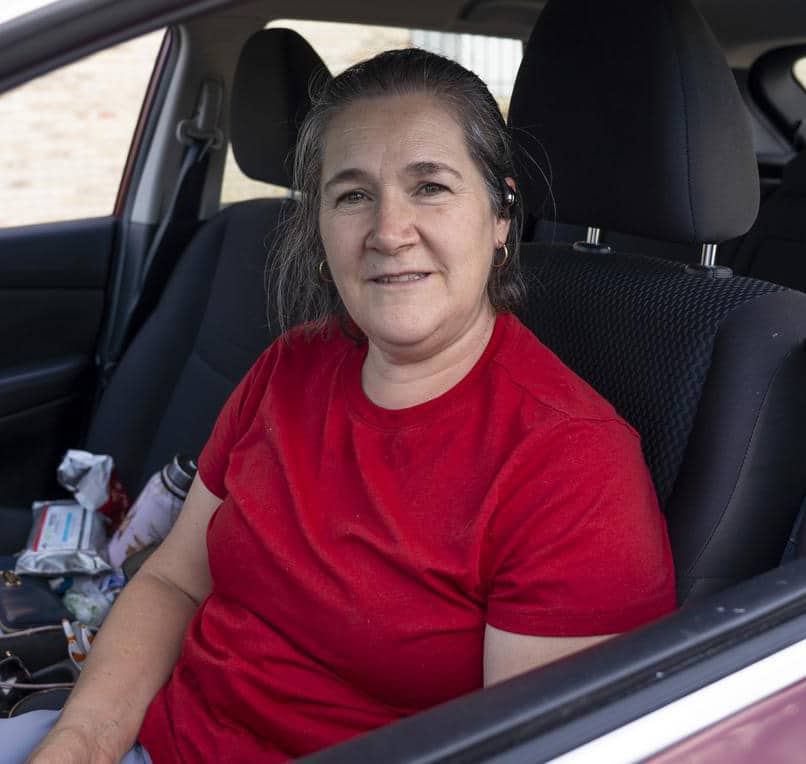
For Jennifer, bridging that gap is essential. A nurse, wife, and grandmother helping to raise a household of five, she works tirelessly. Her husband also works but receives inconsistent hours, making his job hard to rely on for supplemental income. Even with Jennifer’s steady work and decades of experience, it’s not always enough.
“Sometimes I go without food so I can feed my family,” she shares.
Her words reveal the difficult reality so many caregivers face: sacrificing their own well-being to ensure their families are fed. Yet, at the Food Bank, Jennifer gains not only food, but also dignity and hope.
“Even though things are hard, it’s satisfying…to see my family eat.”
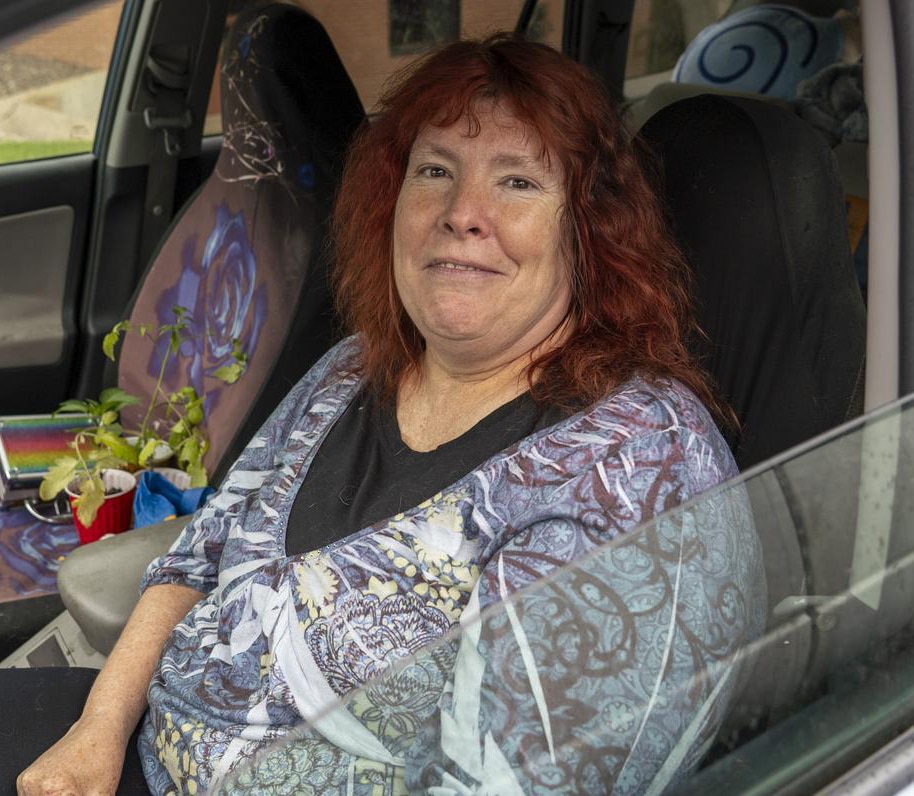
Across each of these stories, rising prices are impacting neighbors from all walks of life. Working professionals, older adults on fixed incomes, caregivers, and families are doing everything they can to stay afloat.
What connects them all is the difference your support makes.
Because of donors and volunteers, food becomes the one thing families don’t have to worry about. It means fewer impossible choices. It means being able to redirect limited income toward rent, utilities, or transportation. It also means moments of connection, like sharing a meal around the table.
Neighbors like Jennifer express gratitude for this crucial community service, “Thank you very much,” she shares. I see [the volunteers], how hard they work.”
In a time of rapidly increasing prices for life’s essentials, thank you for your support. Together we work to ensure that all of our neighbors have access to nourishing food not only in times of plenty, but also in times of unexpected change.