Across our region, one in eight people, including one in five children, experience food insecurity. With a new distribution center designed to transform generosity into greater impact, we can solve the problem of hunger across our region — together.
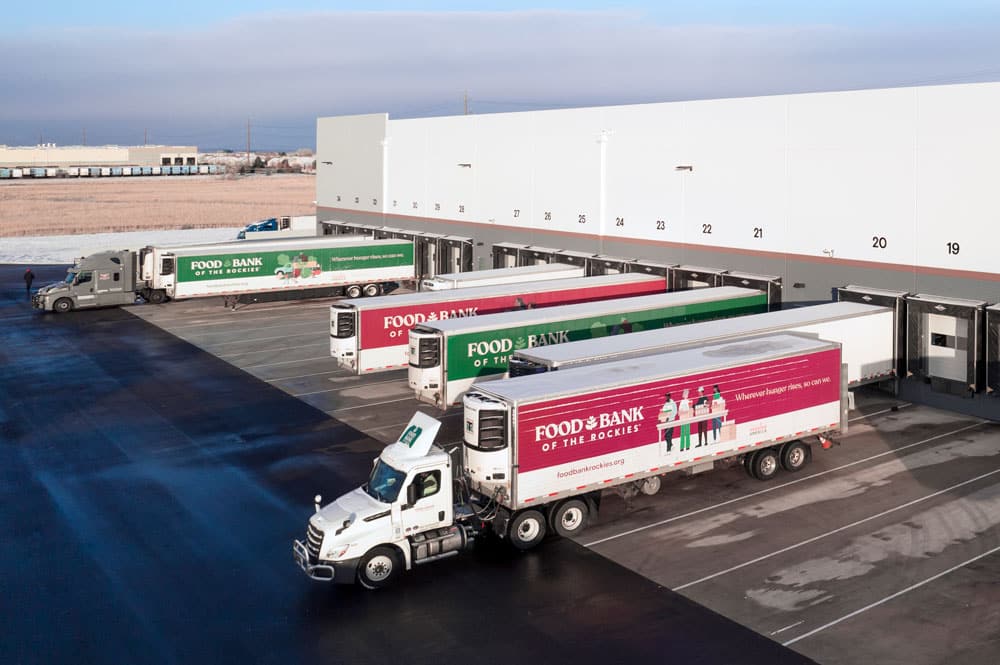
When it became clear that the federal government shutdown would disrupt SNAP benefits, Food Bank of the Rockies knew the need would be enormous. We created a rapid response operation called SNAP Blast to get food into communities quickly. We rented three box trucks, hired temporary commercial drivers, and created direct routes to partners ready to distribute additional food.
The head start mattered, since we knew food banks across the country would need to procure a lot of food, straining the supply chain and delaying order availability.
At Village Exchange Center, a Food Bank of the Rockies’ Hunger Relief Partner in Aurora, the change was immediate. The center typically serves 500 to 600 families each week. During the SNAP disruption, that number climbed as high as 1,200 families in a single day.
“We could see the uncertainty,” said Bhim Bhattarai, Village Exchange Center’s Program Manager. “People were scared. They had to figure out how to provide food for their families while also paying rent, utilities, and their other basic needs.”
Eventually, SNAP benefits resumed, but Food Bank of the Rockies did not simply return to business as usual. We examined what the experience revealed about community needs, partner capacity, distribution systems, and response.
Food Bank of the Rockies could not replace SNAP. No hunger-relief organization could. But when the disruption came, thanks to passionate supporters, we were ready — moving food quickly, directing it where it was needed most, and making sure neighbors did not face the crisis alone.
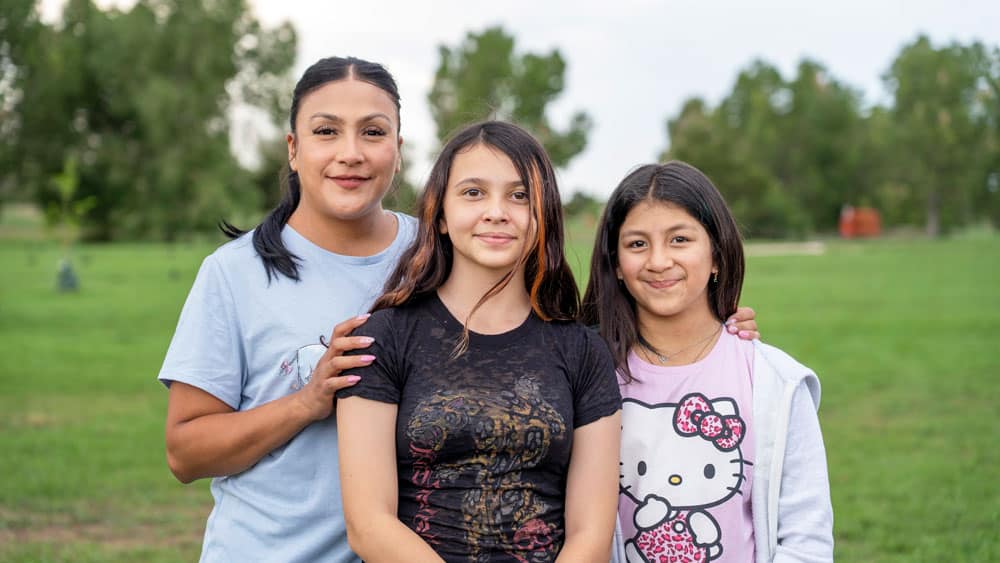
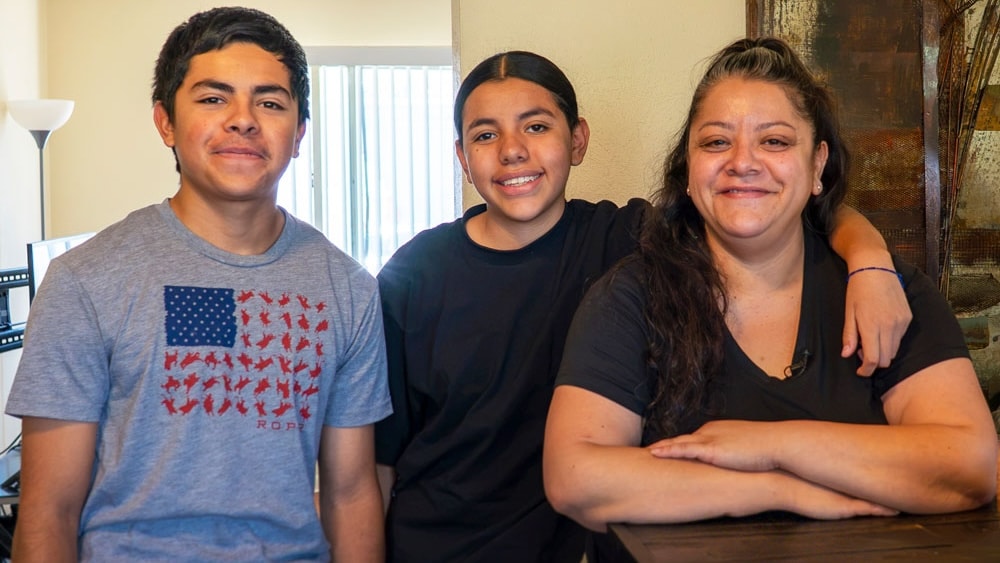
For Nancy, having meals included at summer camp for her kids meant one less worry. With food costs stretching the family budget, knowing her kids had nutritious food during their busy days brought welcome relief.
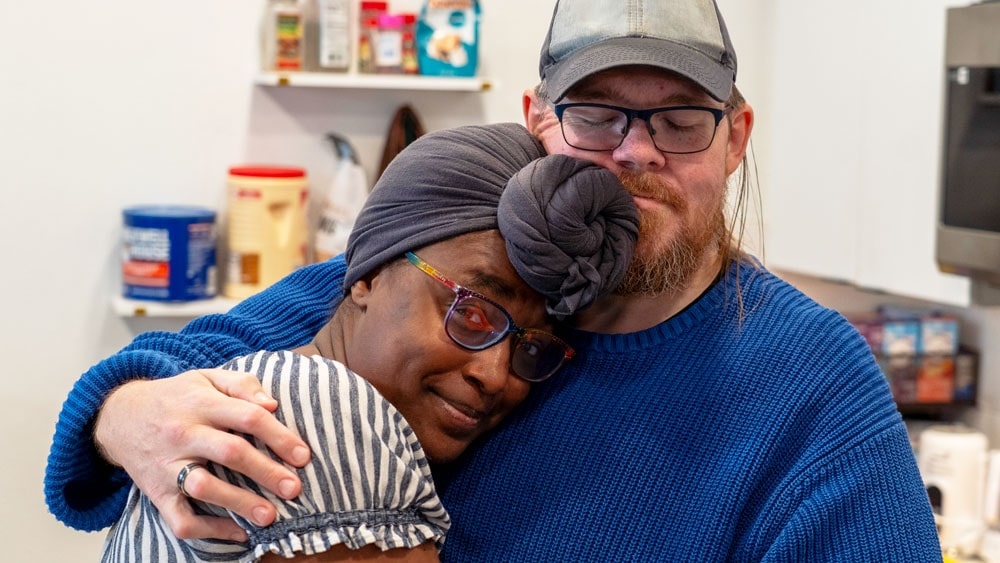
For much of last year, Adam was in and out of the hospital, struggling with repeated infections. But illness did not stop the everyday responsibilities waiting for him at home. His family still needed groceries, meals, and financial stability. Then Adam connected with Food Bank of the Rockies’ Food for Health Program.
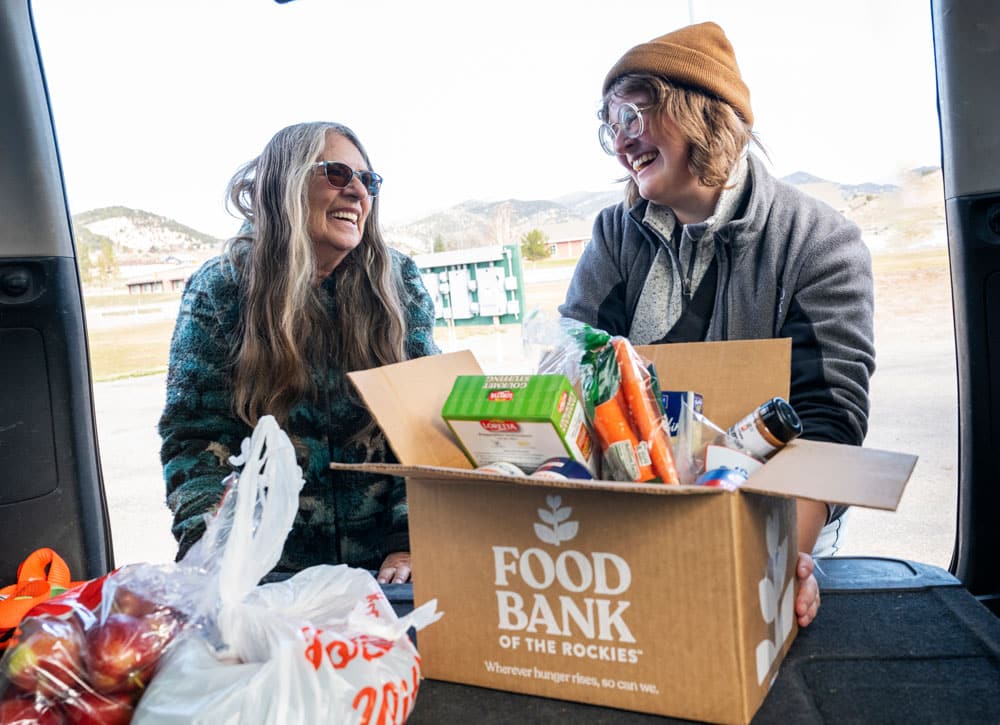
For our neighbors like Kate, Food Bank of the Rockies’ Mobile Pantry Program offers more than groceries. Kate is especially struck by the sense of community she finds there.
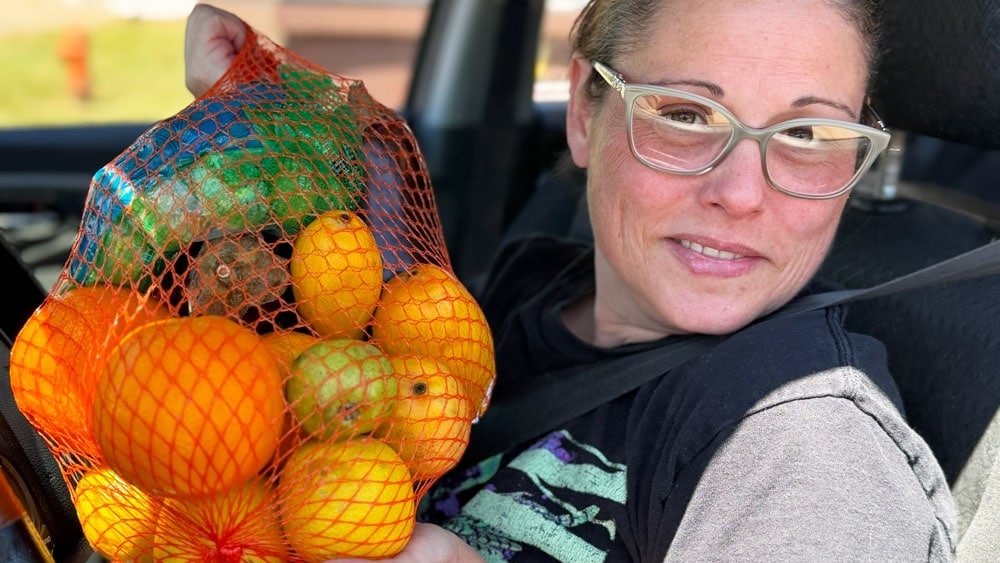
When an unexpected and serious illness kept Delilah from working, she worried about paying rent and feared her family could lose their home. Thankfully, her local school pantry, a Hunger Relief Partner of Food Bank of the Rockies, helped Delilah keep meals on the table while she recovered.
For more information, view our previous reports and financial statements and learn more about our leadership team.