
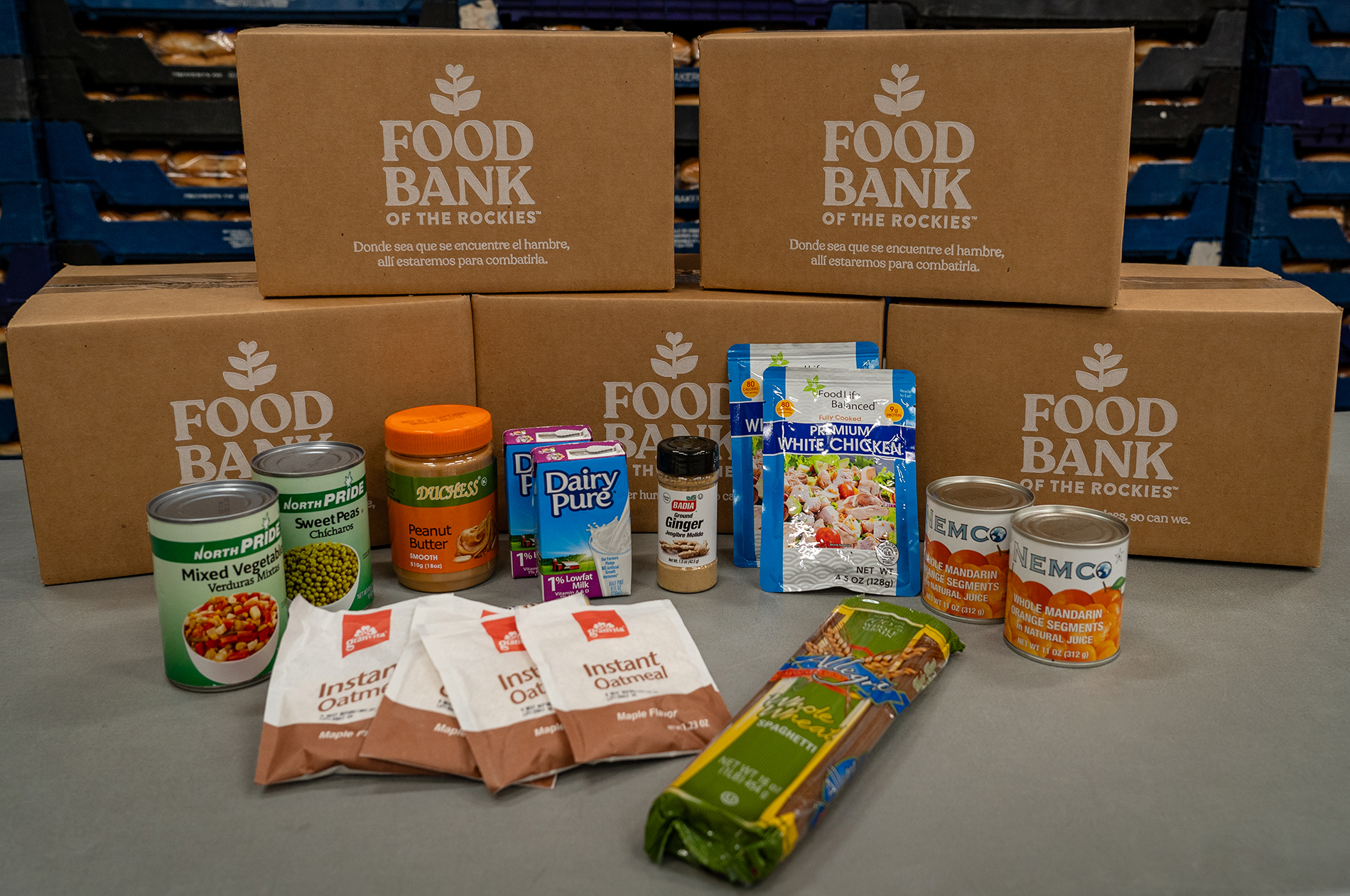
Setting up a food drive can be a great way to support your neighbors, give back to your community, and help meet the rising challenge of food insecurity in our region. Whether you’re teaming up with your family members, coworkers, or friends, it’s important to understand what items are usually needed in a food drive to ensure your efforts truly make an impact. While good intentions matter, donating items that food banks can’t distribute can lead to unnecessary food waste — so thoughtful planning is key to a successful drive.
For instance, while homemade items like grandma’s famous berry pie or your coworker’s five-alarm chili may be delicious, food banks can’t accept any items made in personal kitchens because they can’t verify their ingredients or methods of preparation.
So what items are usually needed for a food drive, anyway? Here are some evergreen, most-needed food drive items to request from participants in your food drive, recommended by our experts at Food Bank of the Rockies and our 800+ Hunger Relief Partners throughout the region.
Peanut butter or other nut butters
Because: They’re a great source of protein, vegetarian-friendly, and easy sandwich fillers
Pasta
Because: They’re a versatile source of kid-friendly carbs
Boxed Meals
Ex. Macaroni and cheese, seasoned pasta or rice mixes
Because: They’re quick, flavorful meal-starters for working families
Canned Meats
Ex: Chicken, turkey, tuna, salmon, ham, beef
Because: They’re a shelf-stable protein that adds a punch of flavor
Canned Stews and Soups:
Because: They’re a shelf-stable, all-in-one meal that’s easy to prepare
Canned Beans:
Ex. Baked beans, garbanzo beans, black beans, kidney beans
Because: Beans are an excellent source of protein for vegetarians (and everyone else!), high in fiber, and versatile in use
Canned Vegetables:
Because: They’re a durable, shelf-stable source of nutrients
Canned Fruit:
Because: They’re shelf-stable, nutrient-rich, and kid-friendly
Cereals and Oatmeal
Because: They’re shelf-stable breakfast staples especially beloved by families with children
Pancake Mix
Because: They’re an easy shortcut to a filling family breakfast
Dry or Evaporated Milk
Because: It’s a source calcium for kids and adults that doesn’t require refrigeration
Cooking oils
Ex. Olive oil, vegetable oil, avocado oil
Because: They’re an essential but often expensive part of preparing many meals
Basic Spices
Ex. Salt, pepper, oregano, cumin, chili powder, garlic powder
Because: They’re the building blocks of flavor for many meals
Basic Sweeteners
Ex. Sugar, honey, maple syrup, agave syrup
Because: Like spices, sweeteners are necessary for many recipes, especially when baking
Make your donation community-centered
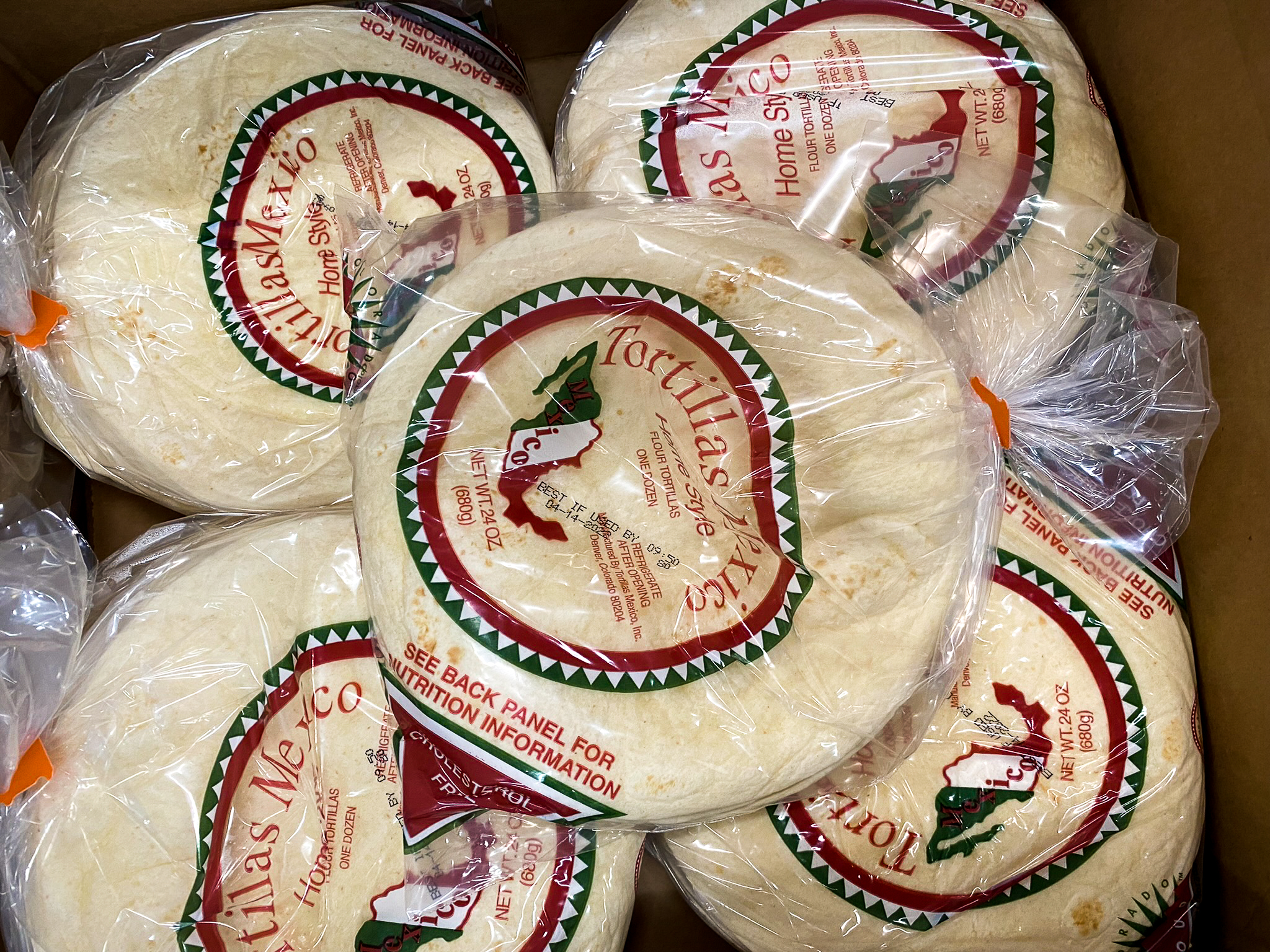
In addition to the staple items listed above, Food Bank of the Rockies encourages donors to consider what items are usually needed in a food drive — especially those identified by our Community-Centered Innovation Team. These specially selected foods reflect the diverse preferences and cultural familiarity of the people we serve. By focusing on these highly requested items, you can help ensure your donation is both nourishing and meaningful to the families who receive it.
Here are some of our most highly requested items:
- Coffee – ground or instant
- Tea – black, green
- Dry beans – lentils, pintos, black beans
- Dry rice – white, jasmine, basmati
- Tortillas
- Dried chilies – arbol, ancho, guajillo
- Corn husks
Other Food Tips
Now that you’re aware of which items are needed at food drives, we’ve prepared a few more helpful guidelines to make sure your donations can be utilized most effectively by our partnering hunger-relief organizations.
- Opt for plastic containers over glass. Due to safety concerns around breakage, Food Bank of the Rockies is unable to accept donations packaged in glass.
- Check items for damage or dents before donating. Damage can cause food items to spoil prematurely, rendering them unsuitable for donation.
- Make sure items are not past their “best by” date. Sometimes listed as the “sell by” date, these codes indicate when an item loses its flavor and is no longer suitable for donation.
- Don’t donate items that need refrigeration. This can be anything from milk and eggs to meat and cheese, and even most fresh fruits and vegetables, and is important because of limited refrigeration space and the fact that some of our community members don’t have consistent access to refrigeration. Don’t worry, though: Food Bank of the Rockies sources fresh foods through other channels, such as donations from the food industry via our Food Rescue Program, and offers fresh produce, bread, and other items to our partners at no cost.
- Consider donating items geared toward dietary sensitivities. These can include low-sodium and low-sugar food items, whole grain pastas and cereals, brown rice, and gluten-free items. These donations are especially appreciated by older adults and community members with special dietary needs.
- Check whether non-food donations are acceptable before donating. While some food banks — including Food Bank of the Rockies — accept donations like toiletries, toothpaste, bandages, diapers, and other essential non-food items, others do not. It’s always best to ask your local food bank what items are usually needed in a food drive to make sure your contributions are truly helpful.
- Remember that virtual food drives are always the most effective type of donation. While physical donations are always sincerely appreciated, donations of money allow Food Bank of the Rockies to utilize our multitude of partnerships and bulk-buying power, making your dollars go far further and allowing them to feed even more people. For every $1 donated, we are able to purchase enough food for three meals!