
Quick Bites:
- Food Rescue captures surplus food from manufacturers, retailers, and local agricultural partners and delivers it quickly to our Hunger Relief Partners and directly to neighbors.
- Partners like Catholic Charities say they would not be able to meet the needs of the people they serve without donated food from Food Rescue.
- 57% of the food Food Bank of the Rockies provided to neighbors last year came from Food Rescue.
- Sprouts primarily sends high quality surplus food to Food Bank of the Rockies. The new distribution center is very close to Sprouts’ Denver area warehouse.
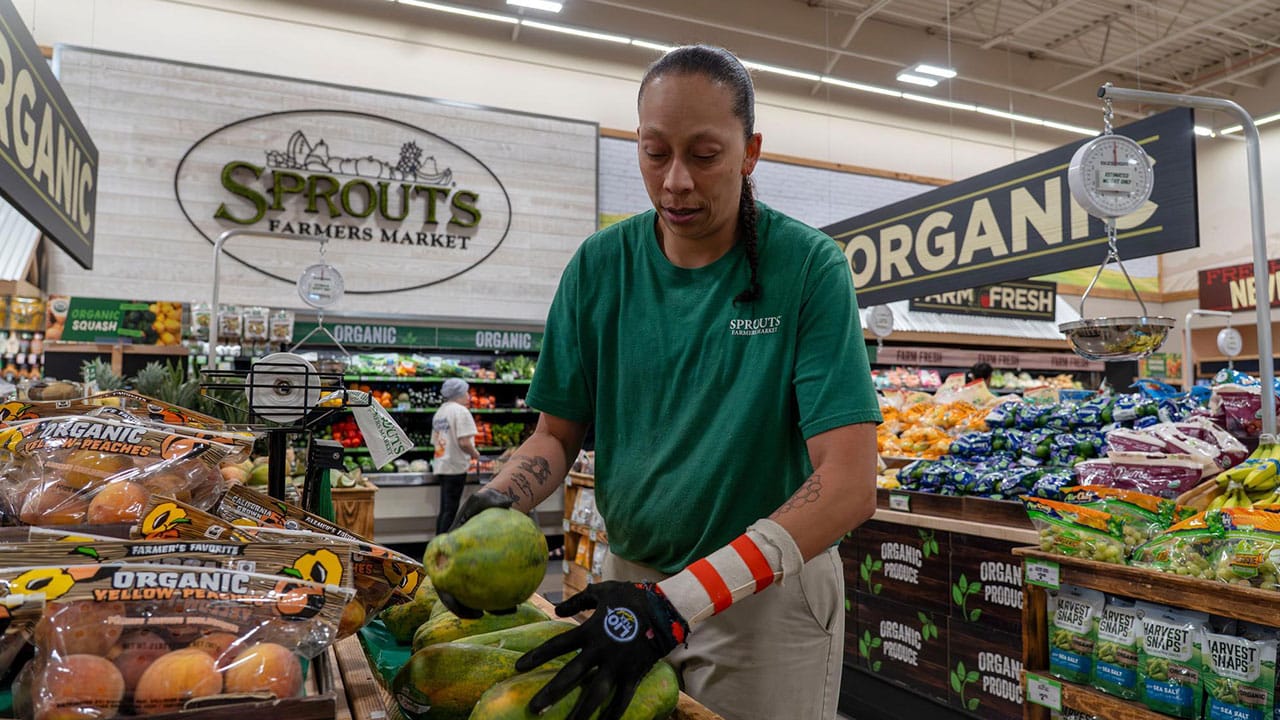
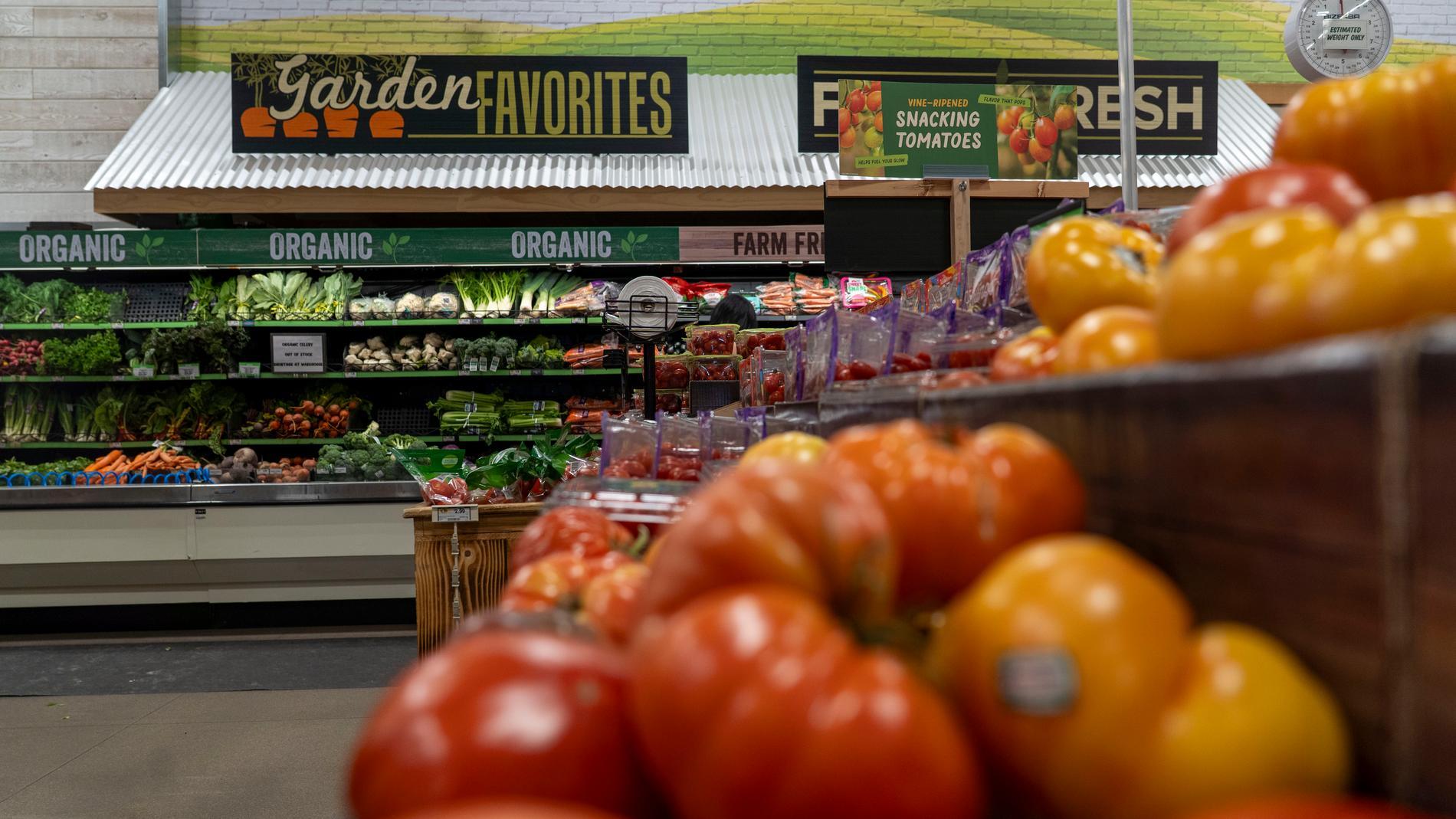
Picture the produce section in your favorite grocery store. Piles of shiny apples stacked into tidy pyramids, perfectly yellow banana bunches, the greenest of green kale and cilantro stacked neatly: it’s a scene all of us know and, for better or worse, have come to expect. But fruit and vegetables don’t always grow into the shapes and hues that qualify them to be showcased, just like cans get dented, labels get torn, and one egg of a dozen gets broken. So what happens to that food? Often, these items that have the exact same nutritional quality as their prettier counterparts go to waste, simply because they have a slight cosmetic imperfection.
Annually across our nation’s food system, 92 billion pounds of surplus food — 31% of the total food supply — is generated annually. That’s 145 billion lost meals, enough to feed the entire American population one meal a day for 14 months. Fortunately, food donations have been on the rise over the last few years as more businesses improve their donation programs in recognition of the “winwinwin” opportunity: cost savings and tax incentives, reduced food insecurity, and positive environmental impacts.
Last fiscal year, 57% of the more than 85 million pounds of high quality, nutrient dense items Food Bank of the Rockies provided to neighbors came from our Food Rescue Program. And with our new distribution center now open, we aim to increase that amount thanks to expanded freezer, refrigerator, and dock space. It’s an exciting opportunity to accept more food from more donors and further enhance our region’s charitable food network.
“It’s this beautiful ecosystem of everyone working together to capture surplus food and put it to good use,” said Mark Weslar, Food Sourcing Director at the Food Bank. “By collaborating with partners on the manufacturing, retail, and agricultural levels of the food system, we are able to capture food in our community and keep it in our community. We couldn’t feed folks like we do without the Food Rescue Program.”
Truck driver Jeremy Duran has worked for Food Bank of the Rockies for 11 years, with the last seven dedicated to the Food Rescue Program. He witnesses the immediate impact made by the food he drops off at Hunger Relief Partner sites to distribute to neighbors.
“Sometimes as soon as you take the food off the truck, it’s already being put onto tables for people to grab,” Jeremy shared. “You actually see the people who are getting it, and that feels good. Knowing that good food is going to be nourishing neighbors is the most important part of the program to me.”
For Sprouts Farmers Market, one of hundreds of Food Rescue partners, Food Bank of the Rockies is the main place they send surplus food. The fact that their Denver area warehouse is located a stone’s throw from the Food Bank’s new distribution center makes the potential of the organizations’ collaboration even more exciting.
“At Sprouts, we don’t want to waste any food. If we get a pallet of plumcots when we were supposed to get apricots, say, we have to reject it even though there’s nothing wrong with the fruit at all,” shared Robert Martinez, Sprouts Distribution Center Quality Assurance Manager. “We try to donate everything to the Food Bank to get it to families as fast as possible. We take pride in the high quality product we donate.”

That sentiment is shared by all of our Food Rescue partners, including recipients like Catholic Charities. There, through five shelters that serve around 500 meals a day, as well as summer and school year programs that serve around 2,000 meals a week, Catholic Charities puts to use anything and everything they get from Food Bank of the Rockies.
“We are producing a lot of food and, to be honest, we can’t do it without these donations,” shared Mary Larson, Director of Warehousing and Food Services for Catholic Charities. “Especially right now in the economic environment we’re in, we simply do not have enough money in our budget to feed our clientele three meals a day, 365 days a year.”