
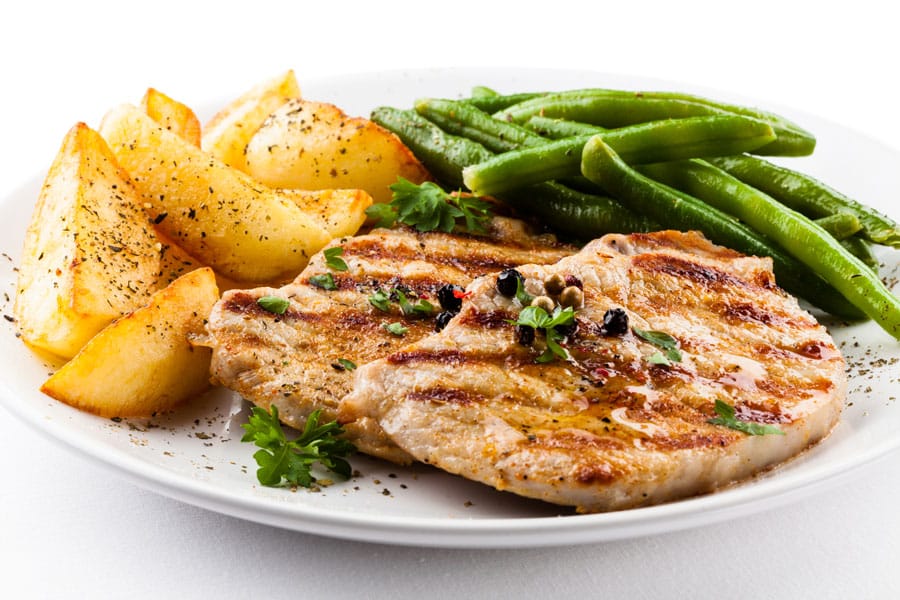
“What’s for dinner?”
It’s a question that can feel overwhelming when you’re doing your best to stretch every dollar while also providing nourishing food for the people you love. With some thoughtful planning and ingenuity, though, budget-friendly, nutritious meals are absolutely within reach for you and your loved ones.
The USDA recommends a simple formula for healthy eating on a budget:
- Plan before you shop
- Compare options to find the best price
- Prepare meals that stay within that budget.
Here, we’ve created our own list of helpful planning tips, shopping strategies, and easy, nutritious meal ideas so you can learn how to eat healthy on a budget.

Take the Time to Meal Plan
It can be a big ask given our busy lives, but setting aside 15 to 20 minutes to plan a week’s worth of cheap, healthy meals is well worth the trouble. Learning how to eat healthy on a budget starts with a little planning. Once you’ve decided on a meal plan for the week, create a focused shopping list that features a hefty quantity of fruits and vegetables, whole grains, low-fat dairy, and protein-rich foods.
While you’re brainstorming, consider which ingredients are the most nutrient-dense and can stretch into cheap, nutritious meals. For more advice on planning, check out Food Bank of the Rockies’ tips for meal prepping and shopping smart.
Meal idea: Chicken Tikka Masala

Look for Frozen and Canned Foods
Did you know frozen and canned options actually cost less than fresh produce — and last longer? The canning process gives most foods a shelf life of one to five years. It also preserves their nutrients as well as their flavor, which is ideal for budget-friendly, nutritious meals. To ensure your ingredients are as healthy as possible, make sure your canned goods are packed in water, not syrup, and don’t contain added sugar or salt. For frozen ingredients, avoid choices with added butter, cream, or extra sauce.
Meal idea: Loaded Breakfast Baked Potato
Stick with In-Season Produce
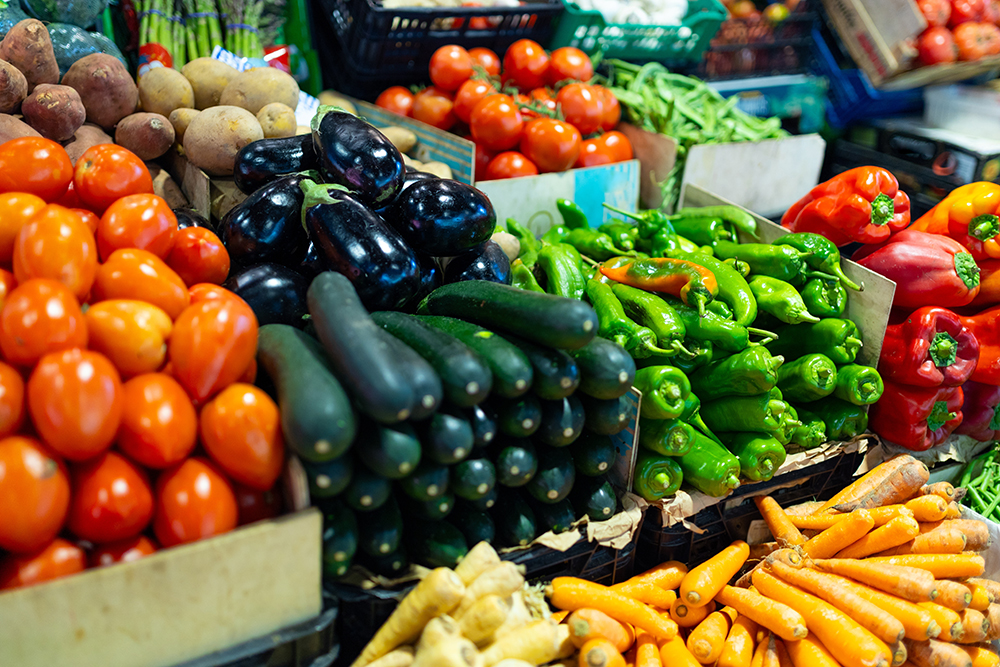
When produce is in greater supply, it’s sold at a lower price, which makes buying fruits and vegetables in-season the perfect money-saving hack. If you’re learning how to eat healthy on a budget, this is a simple and effective strategy. Wondering what to buy when? The USDA’s seasonal produce guide shows you which fruits and vegetables to choose at which times of year. Plus, many vegetables remain affordable year-round, including potatoes, cabbage, carrots, onions, broccoli, cauliflower, and kale — all great for soups, stews, and roasting.
Meal idea: Black Bean Soup
Embrace Bargain Hunting
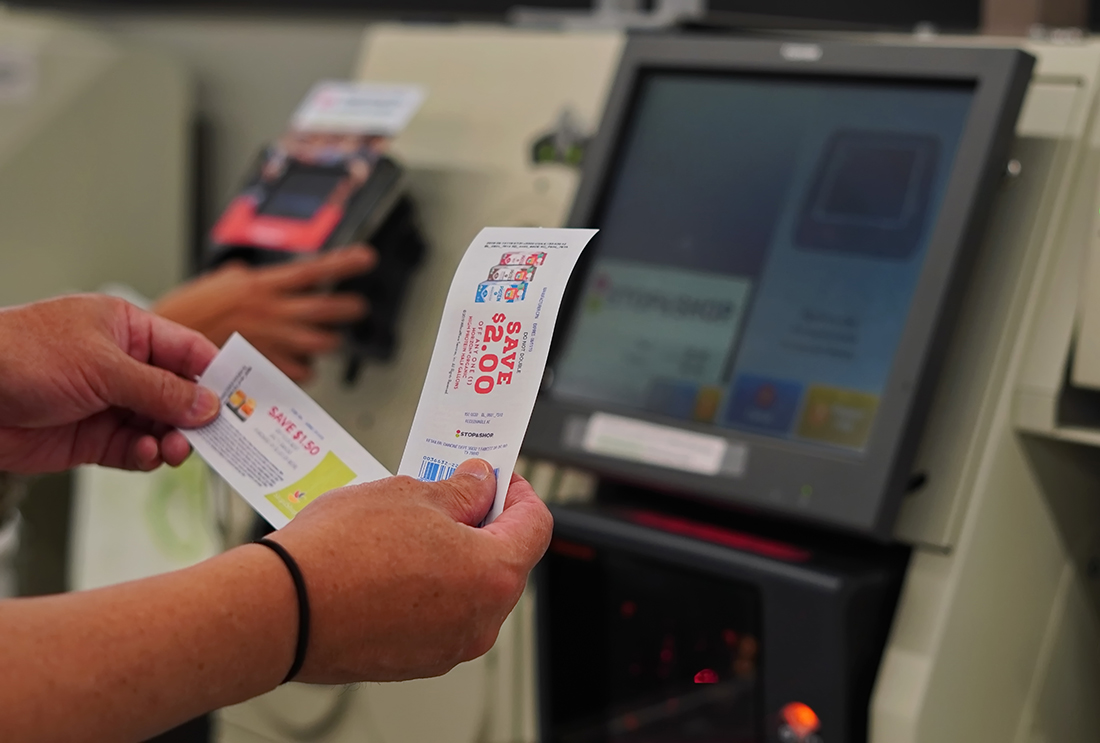
Most grocery stores rotate their sale items, so shoppers have a variety of inexpensive foods to choose from each week. One way to find the best values is to locate the “unit price” on the shelf sticker near the item price. Also, prioritize buying store brands, which are usually at least 20-30% cheaper than non-store brands.
Finally, be flexible with your food choices. If you discover an item on sale that is like another you were hoping to buy, try adapting your meal plan. The Shop Simple with MyPlate tool on the USDA’s MyPlate website is a great resource for finding savings in your area.
Meal idea: Slow Cooker Cilantro Lime Pork
Focus on Affordable Pantry Staples
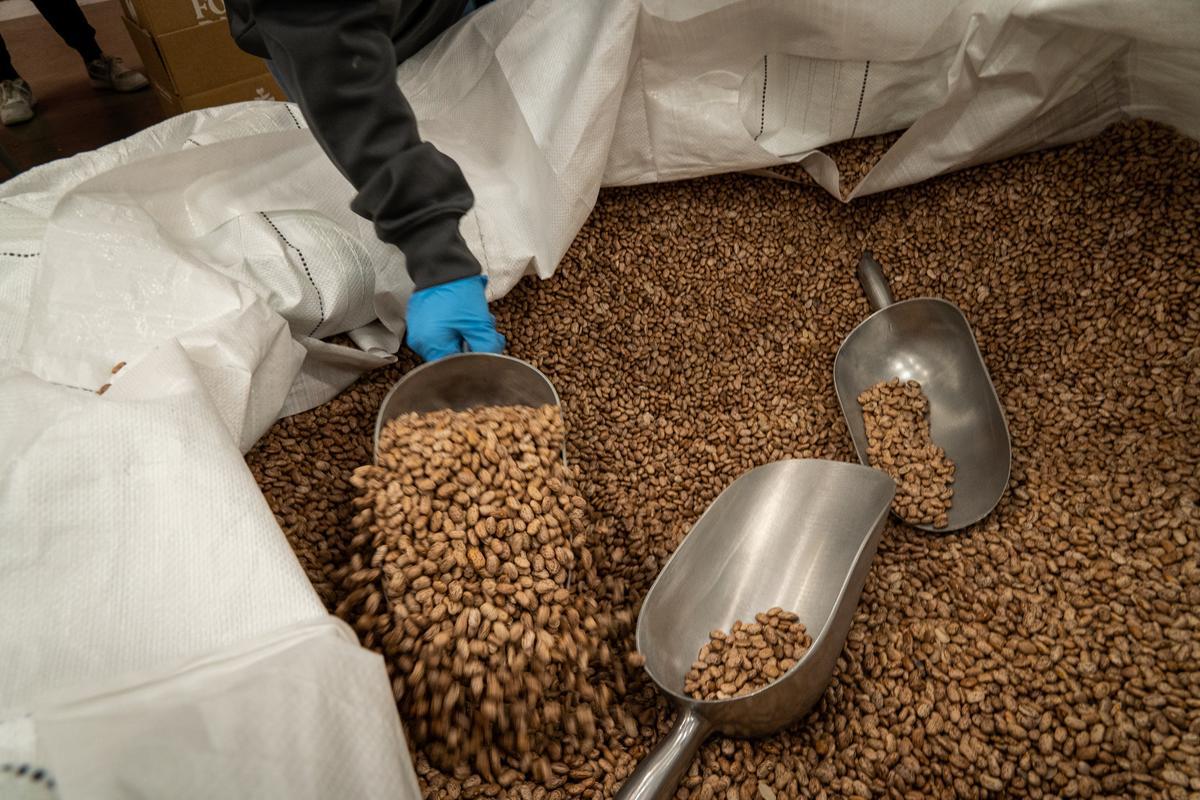
Most grocery stores carry a range of cost-effective, nutrient-dense ingredients you can turn into cheap, nutritious meals. For example, whole grains like brown rice, oats, and whole wheat pasta are affordable sources of complex carbohydrates and fiber, while legumes such as beans, lentils, and chickpeas are rich in protein. Nutrient-dense foods like these help you feel fuller and can stretch into multiple portions for soups, salads, stews, or stir-fries.
Other inexpensive, versatile ingredients to purchase for your pantry include canned tomatoes, canned tuna, peanut butter, onions, garlic, soy sauce, cooking oil, and spices. For more on choosing pantry staples, check out the Food Network’s “25 Building Blocks of a Budget Pantry.”
Meal idea: One-Pot Cheesy Rice and Beans
Buy Key Ingredients in Bulk
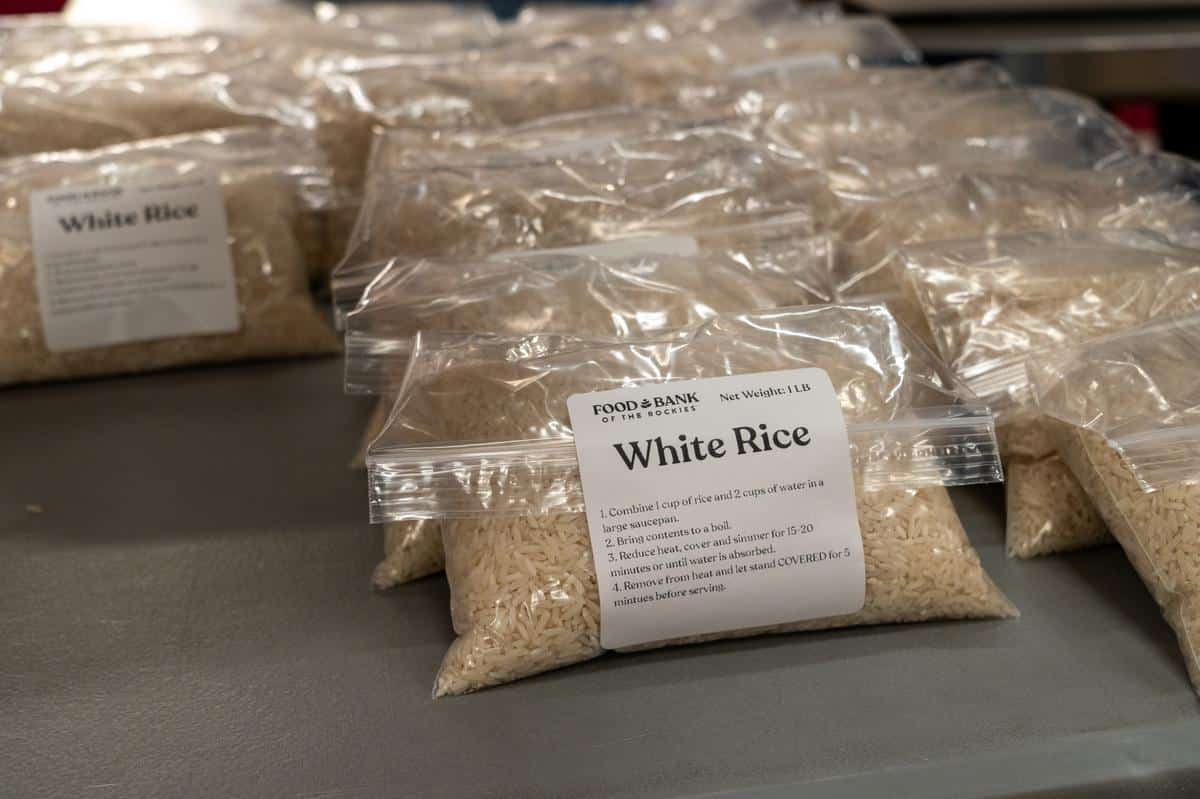
Foods that store well, like whole grains, canned or dried beans, and frozen vegetables, tend to be more cost-effective than perishable foods, so make a point to shop for bulk ingredients like brown rice, millet, barley, oats, beans, and lentils. If you’re exploring how to eat healthy on a budget, these staples are a great place to start. You can also find tons of budget-friendly, nutritious recipes online that incorporate these ingredients. For more recipe ideas, check out Allrecipes.com’s budget cooking page.
Meal idea: Creamy White Bean and Spinach Quesadillas

Grow Your Own Garden
Another strategy for how to eat well on a budget is to plant your own potted herb and vegetable garden, whether it’s on a patio, balcony, or windowsill — or outdoors, if you have more space. Inexpensive seeds like basil, oregano, and cilantro can brighten up your meals with minimal overhead. Plus, if you purchase a piece of produce with the root node still attached, you can even try growing it at home in a jar or bowl of water; celery, beet greens, bok choy, lettuce, and green onions can all grow like this.
To learn more, Green America offers this list of indoor gardening tips and techniques.
Meal idea: Easy Vegetable Stir Fry with Peanut Sauce
Cut Down on Food Waste
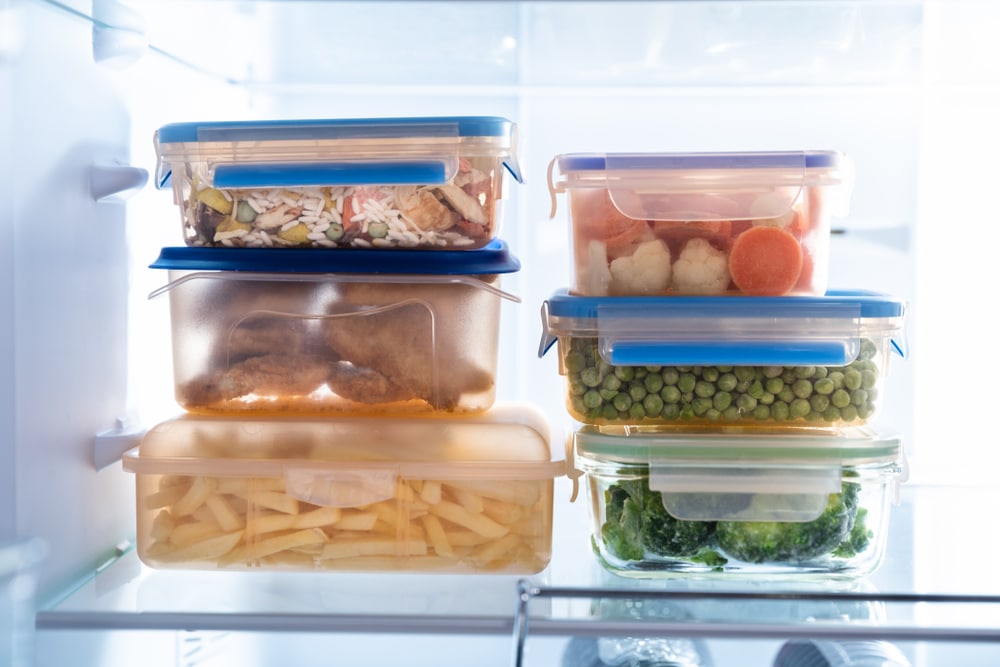
Correctly storing perishable foods can extend their shelf life and help prevent foodborne illnesses, so be sure to store these items as recommended or in airtight containers. Another way to reduce food waste is eating your leftovers. Make repurposing leftovers its own artform: turn last night’s stir-fried rice into today’s rice bowl, dinner’s bean dish into burritos for lunch, or chicken from yesterday into today’s chicken fajitas!
Meal idea: Sheet Pan Chicken Fajitas
At Food Bank of the Rockies, we are committed to providing nutritious meals for anyone in our community who is experiencing food insecurity and hunger, whether it’s a one-off occasion or an ongoing need. Make a donation or sign up for a volunteer shift today to help support our mission!