
Nutrition
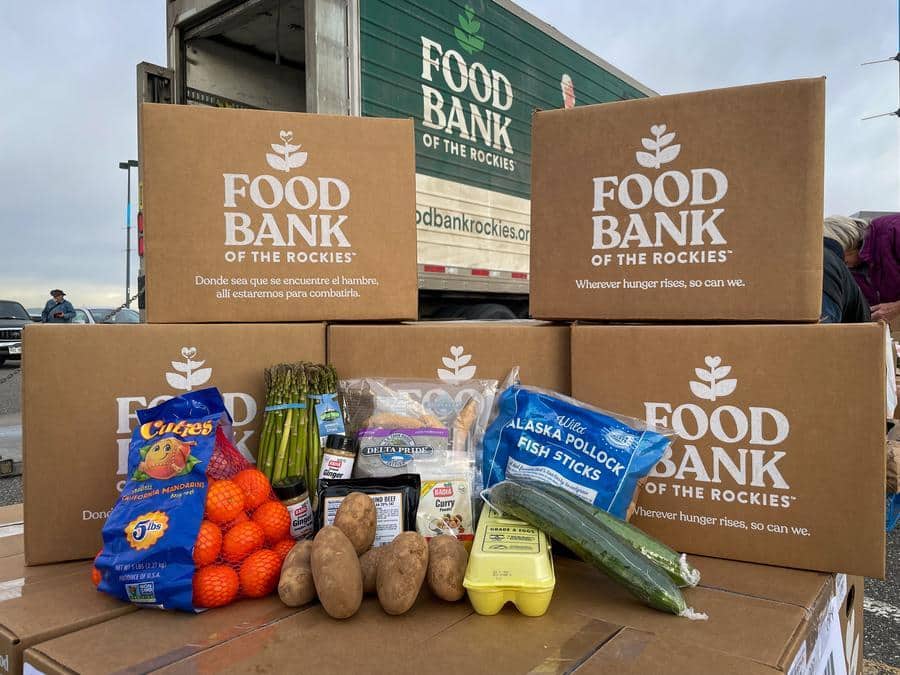
Everyone deserves to have high-quality, nutritious food, including our neighbors living with food insecurity. Food Bank of the Rockies’ commitment to nourish people facing hunger aims to support the health and hope of the communities we serve.
Food insecurity can lead to poor diet quality. Over time, this can lead to chronic illnesses like diabetes, high blood pressure, and heart disease.
Health behaviors, such as diet, have a 30% impact on a person’s health status. However, if an individual can’t afford nutritious foods or doesn’t know which foods are best for their condition, they often eat foods high in salt, sugar, and fat because that is what’s affordable and available.
Food Bank of the Rockies aims to provide our neighbors with education on how their food choices relate to their health. Using Healthy Eating Research Guidelines, Food Bank of the Rockies ranked the nutritional value of its entire food inventory and provided Hunger Relief Partners with posters and other materials to help guide the neighbors they serve. We also use this information to guide decisions we make regarding the food items we source and distribute to partners and neighbors.
Additionally, our Food for Health Program provides neighbors living with chronic conditions like the ones described above with food, recipes, and nutrition education to help improve their well-being. Learn more about the Food for Health Program here.
Nutrition Internship and Academic Hours
If you’re looking to gain hands-on experience in community nutrition or public health, our Nutrition and Health team at Food Bank of the Rockies offers meaningful internship opportunities that make a real impact. Complete this form to express interest in an internship or fulfilling academic hours.
Supporting Wellness at Pantries (SWAP)
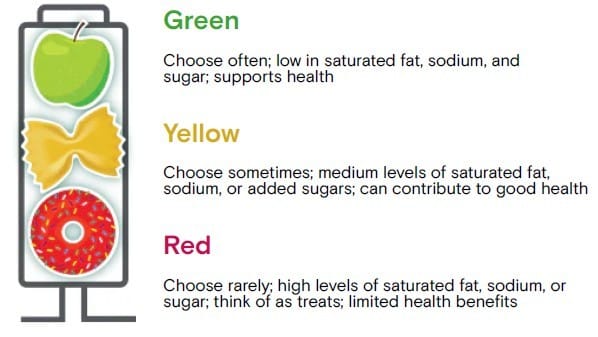
Above: the Supporting Wellness at Pantries (SWAP) model developed by Healthy Eating Research helps promote and guide nutrition decisions for our neighbors.
Search our library of recipes!

Eating nutrient-rich foods may help prevent these conditions and their associated medical costs.